
179D Deduction and 45L Tax Credit: What You Need to Know
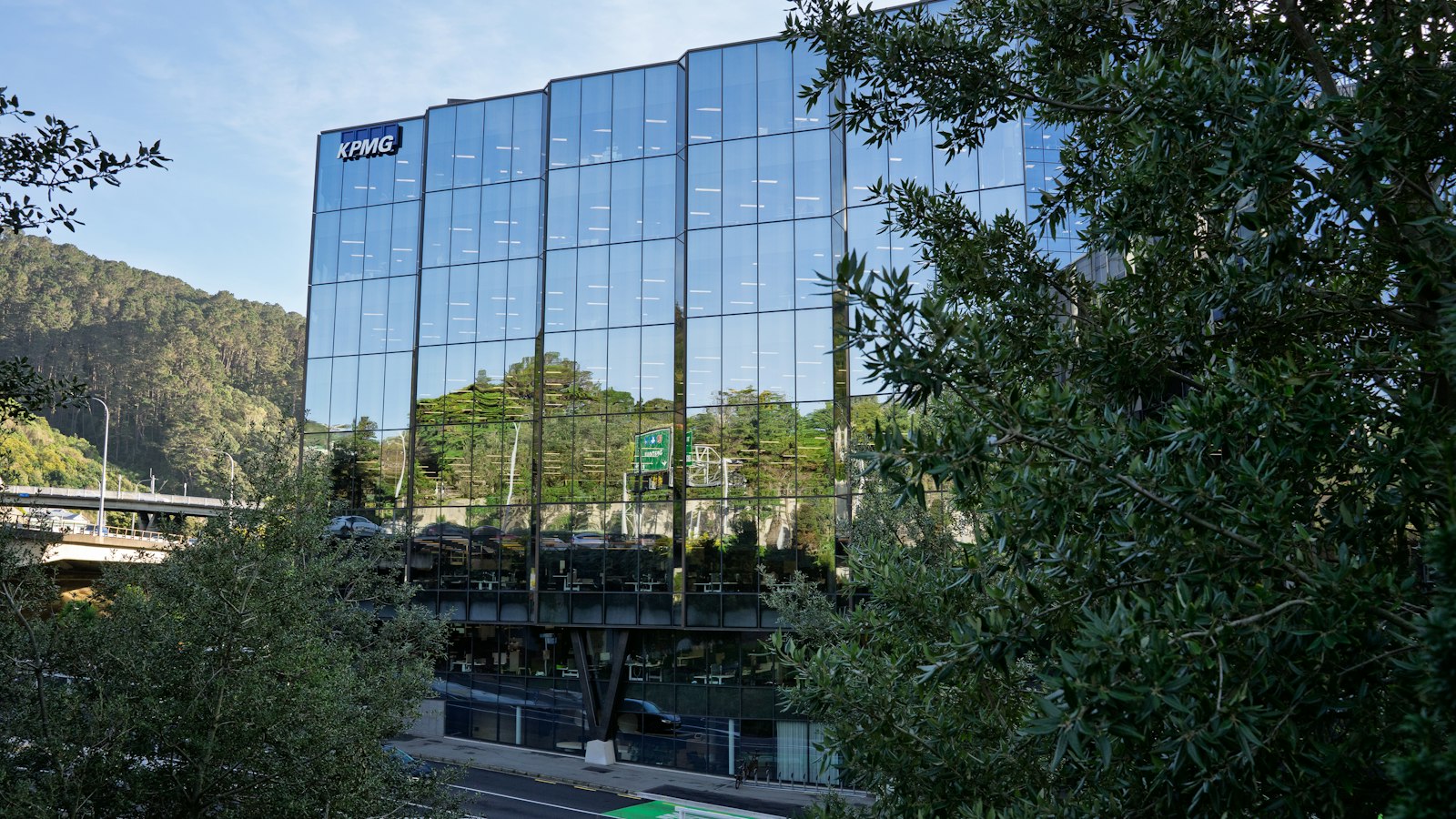
The 179D deduction and the 45L tax credit are two federal incentives that reward energy-efficient design and construction. The 179D deduction applies to commercial buildings and can reach up to $5.94 per square foot for qualifying projects. The 45L tax credit applies to newly constructed or substantially reconstructed homes and can reach up to $5,000 per unit. Both incentives were terminated by the One Big Beautiful Bill Act (OBBBA, Public Law 119-21) as of mid-2026, but the exact cutoff differs between them. Section 179D uses a construction-commencement test and no longer applies to property whose construction begins after June 30, 2026, while Section 45L uses an acquisition-date test and does not apply to homes acquired after June 30, 2026. Projects that met their respective test on or before that date remain eligible, so the window to claim the 179D deduction and the 45L credit is still open for many in-flight projects.
What Is the 179D Energy Efficient Commercial Building Deduction?
Section 179D of the Internal Revenue Code allows building owners, and in certain cases the designers of qualifying buildings, to deduct the cost of energy-efficient property installed in commercial buildings. The deduction covers three building systems: interior lighting, the building envelope (roof, walls, windows, and doors), and heating, cooling, ventilation, and hot-water systems (HVAC). All three can be claimed together or separately depending on the level of efficiency achieved.
Who Can Claim the 179D Deduction?
Private commercial building owners can claim 179D when they install qualifying improvements in buildings they own. For buildings owned by tax-exempt entities, including federal, state, and local government agencies, nonprofits, tribal governments, and Alaska Native Corporations, the deduction transfers to the designer of the energy-efficient property. “Designer” includes architects, engineers, contractors, environmental consultants, and energy services providers who create the technical specifications for the installed property.
This allocation rule has made 179D a significant incentive for architecture and engineering firms working on government and institutional projects, which represent a large share of energy-intensive commercial square footage.
179D Deduction Amounts for 2026
For projects placed in service in 2026, the deduction is indexed for inflation under Revenue Procedure 2025-32. Two tiers apply depending on whether the project meets the prevailing wage and apprenticeship (PWA) requirements established by the Inflation Reduction Act of 2022.
Base rate (without PWA compliance):
- $0.59 per square foot at 25% energy savings
- Scales up to $1.19 per square foot at 50% energy savings or above
Bonus rate (with PWA compliance):
- $2.97 per square foot at 25% energy savings
- Scales up to $5.94 per square foot at 50% energy savings or above
The bonus rates are roughly five times the base rates, so the prevailing wage and apprenticeship question is highly material for any large commercial project. PWA compliance requires paying laborers and mechanics at least the Department of Labor prevailing wage rates and meeting apprenticeship participation, supervision, and labor-hour thresholds throughout construction.
Energy Savings Threshold and Certification
To qualify for any deduction, the building must achieve at least 25% energy savings compared to the applicable ASHRAE 90.1 reference standard. Under the rules the Inflation Reduction Act put in place, the reference standard is the more recent of Standard 90.1-2007 or the most recent ASHRAE 90.1 standard for which the Department of Energy issued a final determination not later than four years before the property is placed in service. For property placed in service through 2026, the IRS has affirmed Standard 90.1-2007 as the applicable baseline, with 90.1-2019 applying to later projects. Energy savings must be modeled using IRS-approved software and certified by a qualified independent engineer or contractor licensed in the state where the building is located. The certifier must conduct a physical site inspection. The deduction is claimed using IRS Form 7205, which requires attaching the certification to the tax return.
The OBBBA Termination Date and What It Means Now
The OBBBA added a termination provision: Section 179D does not apply to property whose construction begins after June 30, 2026. This is a construction-commencement test, not a placed-in-service test. Projects that broke ground before the deadline remain eligible even if they are completed and placed in service in 2027 or later. Under IRS guidance, a project has begun construction when the taxpayer either starts significant physical work or has paid or incurred at least 5% of the total project cost, with continuous progress maintained afterward.
For building owners and design firms with active projects, this means the analysis is not over. If physical work or qualifying expenditures began before July 1, 2026, the deduction is still available. The year the property is placed in service is the year the deduction is claimed on the tax return.
For a more detailed picture of how 179D fits into a broader tax strategy, the Modus Tax Services team can help evaluate eligibility and coordinate the required third-party certification.
What Is the 45L New Energy Efficient Home Credit?
Section 45L provides a tax credit to eligible contractors who construct or substantially reconstruct a qualified dwelling unit sold or leased to another person for use as a residence. Unlike 179D, which rewards commercial construction, 45L is residential and targets the homebuilder or multifamily developer, not the buyer or tenant.
45L Credit Amounts
For homes acquired between January 1, 2023 and June 30, 2026, the credit amounts depend on certification level and, for multifamily units, prevailing wage compliance.
Single-family homes:
- ENERGY STAR certified: $2,500
- DOE Zero Energy Ready Home (ZERH) certified: $5,000
Multifamily units:
- ENERGY STAR Multifamily New Construction (MFNC) certified without PWA: $500 per unit
- ENERGY STAR MFNC certified with PWA: $2,500 per unit
- DOE ZERH certified without PWA: $1,000 per unit
- DOE ZERH certified with PWA: $5,000 per unit
The prevailing wage multiplier makes a substantial difference for multifamily developers. A 200-unit ENERGY STAR building with PWA compliance generates $500,000 in credits versus $100,000 without it.
Who Qualifies as an Eligible Contractor?
The credit goes to the eligible contractor, defined as the person who constructed the dwelling unit or, in the case of a manufactured home, the producer. The home must be located in the United States, must meet the applicable energy program requirements, and must be acquired from the contractor by another person for use as a residence. “Acquired” encompasses both sale and long-term lease arrangements. A contractor who builds and then rents units can still qualify if the units are leased for use as a residence.
Certification Requirements for 45L
Homes claiming the ENERGY STAR tier must be certified under the applicable ENERGY STAR program. Single-family homes follow the ENERGY STAR Single-Family New Home program requirements. Multifamily buildings follow the ENERGY STAR Multifamily New Construction program. For the ZERH tier, homes must be certified under the DOE Zero Energy Ready Home program. Documentation of certification must be retained; the IRS can disallow the credit without it.
The OBBBA Termination Date for 45L
The OBBBA terminated Section 45L for qualified new energy efficient homes acquired after June 30, 2026. Unlike 179D, which uses a construction-commencement test, the 45L termination is keyed to the acquisition date. A home completed and sold or leased on or before June 30, 2026 qualifies. A home acquired on July 1, 2026 or later does not, regardless of when construction started.
For residential developers with projects still settling, the operative question is the date the sale or lease closed, not the certificate of occupancy date. Contractors who had qualifying closings on or before June 30, 2026 should secure and retain all ENERGY STAR or ZERH certifications now, since those records are the evidentiary basis for the credit.
179D and 45L Planning Considerations
Stacking 179D with Other Deductions
The 179D deduction reduces the depreciable basis of the energy-efficient property by the amount of the deduction claimed. This is the only basis reduction that applies. The deduction does not phase out with income and has no cap tied to number of buildings, making it meaningful for large commercial portfolios. Because it is a deduction rather than a credit, its after-tax value depends on the taxpayer’s marginal rate. At a 21% corporate rate, a $5.94-per-square-foot deduction is worth roughly $1.25 per square foot in tax savings, not counting state income tax effects.
179D can also be coordinated with cost segregation studies. When a building undergoes a cost segregation analysis, the segregated personal property and land improvements may qualify for bonus depreciation (currently 100% for qualified property placed in service on or after January 19, 2025). 179D addresses the building structure and systems, while cost segregation targets shorter-lived personal property and site improvements. The two analyses are complementary and often done together.
Timing 45L Credits Within the Project Lifecycle
For residential developers, 45L is a general business credit claimed on Form 8908. General business credits are subject to the passive activity rules for individual taxpayers and can create carryover complexity. Developers should model the timing of closings and the tax position of the entity claiming the credit to ensure the credit is usable in the year it is generated. Unused general business credits carry back one year and forward 20 years, but deferred credits have lower economic value.
Documentation Best Practices
For both 179D and 45L, documentation is the most common point of failure in an IRS exam. Best practices include:
- Retaining the third-party energy certification report and all underlying modeling files
- Keeping a contemporaneous record of the construction start date for 179D projects (signed contracts, building permits, site photographs, or invoices showing significant expenditures)
- Maintaining ENERGY STAR or ZERH certification records tied to each individual unit for 45L
- Reconciling the amounts claimed on Form 7205 (179D) or Form 8908 (45L) against the project cost breakdown in the fixed-asset records
Modus’s advisory practice works with building owners, developers, and design firms to structure documentation protocols that hold up under scrutiny without adding unnecessary administrative burden.
Key Sources
For the authoritative rules, see the IRS guidance pages directly:
- IRS: Energy Efficient Commercial Buildings Deduction (Section 179D)
- IRS: Credit for Builders of Energy-Efficient Homes (Section 45L)
- IRS Instructions for Form 7205 (December 2025)
Frequently Asked Questions
What is the 179D deduction and who can claim it?
The 179D deduction is a federal tax deduction for energy-efficient improvements to commercial buildings, including interior lighting, HVAC systems, and the building envelope. Private building owners claim it when they install qualifying property in buildings they own. For buildings owned by tax-exempt entities (government agencies, nonprofits, tribal governments), the deduction transfers to the architect, engineer, or contractor who designed the energy-efficient systems.
How much is the 179D deduction in 2026?
For 2026, the base deduction ranges from $0.59 to $1.19 per square foot depending on the percentage of energy savings achieved (minimum 25% required). Projects that comply with prevailing wage and apprenticeship requirements qualify for a bonus rate of $2.97 to $5.94 per square foot. These amounts are indexed for inflation under Revenue Procedure 2025-32.
Is 179D still available after the OBBBA terminated it?
The OBBBA ended 179D for property whose construction begins after June 30, 2026. Projects that began construction on or before June 30, 2026 remain eligible regardless of when they are completed and placed in service. The deduction is claimed in the tax year the property is placed in service, so a project that broke ground in 2025 and is completed in 2027 can still claim the deduction on the 2027 return.
What is the 45L tax credit and how much is it worth?
The 45L credit is a federal tax credit for contractors who build new energy-efficient homes. For homes acquired through June 30, 2026, the credit is $2,500 per unit for ENERGY STAR certified single-family homes and $5,000 per unit for DOE Zero Energy Ready Home certified single-family homes. Multifamily rates range from $500 to $5,000 per unit depending on certification tier and prevailing wage compliance.
What killed the 45L credit and when did it expire?
The One Big Beautiful Bill Act (OBBBA, Public Law 119-21), signed into law in 2025, terminated the 45L credit for homes acquired after June 30, 2026. The termination is keyed to the acquisition date, meaning the closing or lease execution date must be on or before June 30, 2026 to qualify. Homes completed but not yet acquired by that date do not qualify even if construction began years earlier.
Can 179D and cost segregation be used on the same project?
Yes. The two strategies are complementary. Section 179D addresses energy-efficient building systems (lighting, HVAC, envelope) and reduces the depreciable basis of those systems by the deduction amount. Cost segregation identifies personal property and land improvements eligible for accelerated or bonus depreciation. Neither forecloses the other, and performing both analyses on the same commercial project is a standard practice for maximizing the tax value of a capital investment.
Filed under: Business Tax & Credits Real Estate